致力于学校的发展
Engaging in the development of the campus
1919年明妮· 魏特琳进校时,金陵女子大学正在筹建新校园,她立即投入到新校园的建设中去。从新校园的购地、筹款到建筑设计、施工等,无不凝结着她的汗水。她在金女大精心安排教务,革新各项教学工作,为学校的发展竭尽心力。她矢志于中国女子教育的推广,重视教学实践,建立实习制度,注意保持职业训练和课程掌握两方面的平衡。这套教学程序和标准,在中国的师范院校得到普遍推广。
Minnie Vautrin came to the Jinling Women’s College in 1919 at a time when the new campus of the Jinling Women’s College was in construction. She immediately plunged herself into the construction work, including the purchase of land, fund-raising, designing and supervising. With regard to education at the college, she carefully arranged and distributed teaching duties and revised the curriculums, contributing her utmost to the development of the College. She was determined to popularize female education in China, attaching importance to practice and helped establish the system of internships. At the same time she tried to promote the balance between vocational training and the mastery of classes. The procedures and standards of this educational system were later widely popularized in the normal colleges and universities in China.
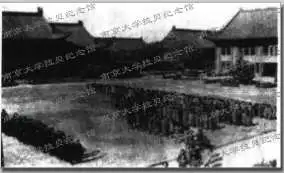
1936年秋金陵女子大学创立纪念日
Jinling women’s College in autumn 1936 in observing the anniversary of its founding
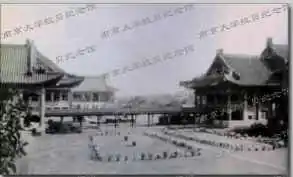
金陵女大校园一景(摄于南京大屠杀前)园中的菊花是明妮· 魏特琳率园丁种植的
A scene of the campus of the Jinling Women’s College (taken before the Nanjing Massacre). Vautrin had guided the gardeners in planting the chrysanthemums in the scene
1929年明妮· 魏特琳接到父亲艾德蒙要她回国奉养的家书,但明妮· 魏特琳致力于学校发展而毅然留在中国,直到1937年6 月她的父亲病逝,明妮· 魏特琳为未能尽奉养之责和未能在父亲临终前见上最后一面,感到内疚不已。
In 1929 Edmond Vautrin, her father, wrote to ask her to go back to the States to take care of him. However, she did not go, but stayed in China to assist in the development of the College. In June 1937 her father passed away without her presence. This incident later became her greatest regret for the rest of her life.
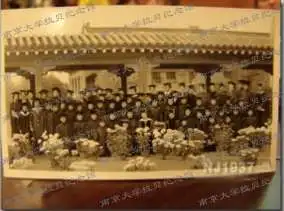
明妮· 魏特琳保留的当年的照片
A group photo kept by Minnie Vautrin
1930年,金女大改校名为金陵女子文理学院。为解决资金短缺问题,明妮· 魏特琳多方奔走募款,寻求财政支持。在她与同事们的多年不懈努力下,金女大各项事业蒸蒸日上,蜚声海内外。
In 1930 the Jinling Women’s College was renamed Jinling Women’s College of Humanities and Sciences. For a number of years, Minnie Vautrin and her colleagues had spared no efforts in fund-raising to meet the demands of the development. They appealed to the authorities, seeking financial support through all possible channels. As a result, the Women’s College of Humanities and Sciences prospered, winning reputation both at home and abroad.
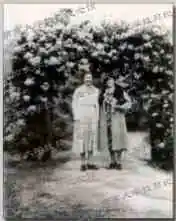
明妮· 魏特琳女士与友人摄于金女大玫瑰园前
Minnie Vautrin and a friend of hers in front of the rose garden on the campus
爱的教育
Education of compassion
金女大的学生一般家境较好,而学校周围的老百姓很贫穷,她鼓励学生要有关爱之心,亲自带领学生挨家挨户走访住在学校周边的居民,使学生们了解中国的社会问题,她还募集资金为贫困家庭开办了一所免费小学和健康诊所,为当地居民提供义务服务, 努力帮助南京的平民百姓。
Most of the students at the Jinling Women’s College came from better-off families while the residents around the campus were very poor. Vautrin encouraged the students to have compassion for the poor people. She took the students to go to the residents, making door-to-door visits to the households nearby their campus in order to enable the students to have an understanding of the social problems in China. In addition, she helped raise funds, opened a primary school and a health clinic for poor families. She did all she could to help the common people in Nanjing.
金女大成了她的家
The Jinling Women’s College was her home
她在金陵生活和工作了20多年,金女大成为她在中国的第二个家。她与同事相处得很好,1927年中国国内形势发生急剧变化,中国同事、学生和工人为她和外籍人士提供帮助,明妮· 魏特琳一直铭记在心。她从心底深处挚爱这片土地以及这里心地善良、秉性宽厚的百姓和同事。
Minnie Vautrin lived and worked in Nanjing for more than 20 years and the Jinling Women’s College was in fact her home in China. She got along well with her colleagues. In 1927 when the internal situation in China changed dramatically, it was her Chinese colleagues, students and workers who offered their selfless assistance to her. She kept in mind their kindness all the time. She loved this land and its genuine, good-hearted and generous people from the bottom of her heart.
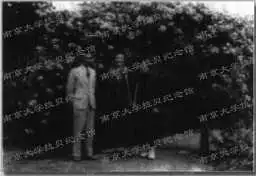
明妮· 魏特琳与陈斐然(左一),程瑞芳(右一)合影
Minnie Vautrin with her Chinese colleagues Chen Feiran (left) and Cheng Ruifang (right)
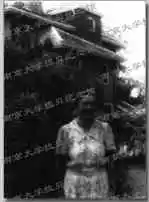
1937年11月,明妮· 魏特琳在金陵女子大学
Vautrin at the Jinling Women’s College in November 1937
筹建金女大难民收容所
The setting up of a refugee camp in jinling women’s college
1937年7月7日,驻华北日军蓄谋发动震惊中外的“卢沟桥事变”。从8月15日起,日军飞机对当时中国的首都南京进行了将近4个月的疯狂轰炸,许多地方遭到250公斤重磅炸弹的轰炸以及日军机枪的猛烈扫射。明妮· 魏特琳组织学生和教职员工躲入地下室,并组织力量在学生宿舍楼的走廊里用沙袋垒起防空壕,为预防轰炸造成校园火灾,明妮· 魏特琳还和金女大紧急委员会成员组织了3个灭火小组。
On July 7, 1937, the Japanese Army stationed in North China staged the infamous “Lugouqiao (Marco Polo Bridge near Beijing) Incident”, marking the beginning of their war of aggression against China. Since August 15, Japanese bombers had raided Nanjing, the then capital of China, for four months. Many places in Nanjing were bombarded by 250 kilogram heavy bombs and people shot by Japanese machine guns. Minnie Vautrin organized the staff and students to hide underground and move sand bags to the dormitory corridors to seek shelter from the aircraft raids. Together with other members of the Emergency Committee of the College, she organized three firemen teams to prevent and extinct possible fires because of the air raids.

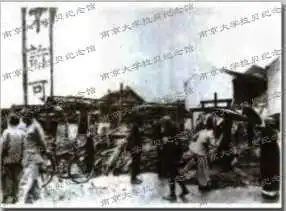
遭受日机轰炸的南京城区
Downtown Nanjing after the raids
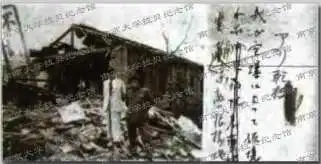
被日机炸毁的中央医院护士室
The nursing department of the Central Hospital damaged after an air raid
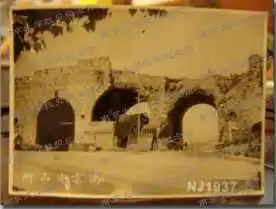
明妮· 魏特琳当年保留的南京中山门照片
A photo of the damaged Nanjing Zhongshan city gate, collected by Minnie Vautrin


 感谢所有为网站建设提供影像图片素材的师生校友们